
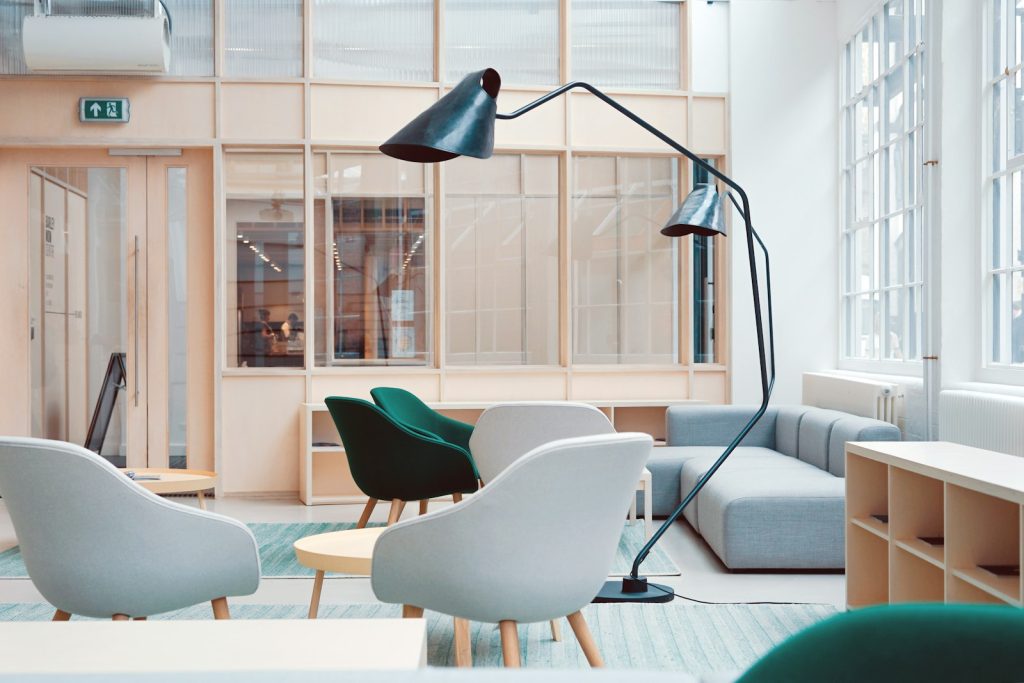
Introduction: The Evolution of Home Design in 2027
As we step into 2027, interior design has undergone a remarkable transformation. Gone are the days of stark, cold minimalism dominated by cool gray tones. Today’s homes embrace warmth, sustainability, and seamless technology integration. The 2027 interior design trends prioritize emotional comfort, environmental responsibility, and intelligent living spaces that adapt to our needs.
This comprehensive guide explores the cutting-edge trends shaping modern interiors, backed by insights from leading design experts and industry forecasts. Whether you’re planning a complete home renovation or seeking inspiration for subtle updates, understanding these trends will help you create spaces that are both current and timeless.
1. Warm Minimalism: The New Face of Simplicity
Understanding Warm Minimalism
The minimalist movement has evolved dramatically. In 2027, warm minimalism replaces cold simplicity with inviting, lived-in spaces. This trend emphasizes:
- Soft textures through natural fabrics and layered materials
- Natural finishes showcasing wood grain, stone, and organic surfaces
- Muted, earthy tones that create calm, cozy environments
- Intentional decor where every piece serves a purpose
Why Warm Minimalism Works
Unlike its predecessor, warm minimalism creates spaces that feel both sophisticated and approachable. It’s about quality over quantity—fewer pieces, but each with meaning and beauty. This approach makes minimalism more human and inviting, perfect for families and those who crave both simplicity and comfort.
Implementing Warm Minimalism in Your Home
Key Elements:
- Choose a neutral color palette with warm undertones
- Incorporate natural wood and stone surfaces
- Layer textures through rugs, throws, and pillows
- Select furniture with clean lines but soft edges
- Use lighting to create ambient warmth
2. Emotional & Lifestyle-Centered Design
Designing for Mental Wellness
The most significant shift in 2027 interior design is the focus on how spaces feel rather than just how they look. Emotional design prioritizes:
- Mental wellness through calming environments
- Comfort and calm as fundamental design principles
- Personal routines supported by thoughtful layouts
- Sensory experiences engaging touch, sight, and sound
Creating Emotionally Intelligent Spaces
Modern homes are designed to support emotional well-being. This means creating dedicated spaces for:
- Mindfulness and meditation
- Remote work without isolation
- Social connection and community
- Rest and rejuvenation
Practical Applications
For Mental Wellness:
- Designate a calm corner for meditation or reading
- Use natural lighting to support circadian rhythms
- Incorporate plants and natural elements for stress reduction
- Choose calming color schemes in bedrooms and bathrooms
- Create transition spaces between work and relaxation areas
3. Sustainable & Eco-Friendly Materials
The Sustainability Revolution
Environmental responsibility is no longer optional—it’s essential. Sustainable interior design in 2027 focuses on:
- Natural materials that age beautifully
- Locally sourced products reducing carbon footprint
- Recycled and upcycled elements in modern designs
- Energy-efficient lighting and appliances
- Biodegradable materials and finishes
Top Sustainable Materials for 2027
| Material | Benefits | Best Used For |
|---|---|---|
| Bamboo | Fast-growing, durable | Flooring, furniture |
| Reclaimed Wood | Character, sustainability | Accent walls, furniture |
| Natural Stone | Timeless, recyclable | Countertops, flooring |
| Organic Cotton | Chemical-free, breathable | Bedding, upholstery |
| Cork | Renewable, insulating | Flooring, wall treatments |
The Slow Design Movement
Slow design emphasizes craftsmanship and quality over mass production. In 2027, homeowners prefer:
- Handcrafted pieces with unique character
- Artisan collaborations supporting local makers
- Heirloom-quality furniture built to last generations
- Custom designs that tell personal stories
4. Smart Home Technology Integration
Seamless Technology Integration
Smart home technology in 2027 isn’t about gadgets—it’s about creating responsive environments. Key trends include:
- Automated lighting systems that adjust to natural rhythms
- Climate control that learns preferences
- Security systems with discreet, elegant design
- Entertainment integration that blends with decor
- Energy management optimizing efficiency
Design Principles for Smart Homes
When integrating technology:
- Conceal devices within cabinetry and walls
- Choose unified control systems reducing visual clutter
- Select sleek, minimalist devices that complement decor
- Prioritize user-friendly interfaces for all family members
- Ensure scalability for future technology updates
Popular Smart Home Features 2027
Must-Have Integrations:
- Voice-controlled lighting and climate systems
- Smart windows with automated tinting
- Integrated charging stations in furniture
- Home health monitoring systems
- AI-powered home management assistants
5. Biophilic Design: Connecting with Nature
The Power of Biophilic Design
Biophilic design continues to dominate 2027 trends, recognizing our innate connection to nature. This approach incorporates:
- Indoor plants at every scale
- Natural light optimization throughout spaces
- Natural materials mimicking outdoor environments
- Living walls and vertical gardens
- Water features for sensory engagement
Benefits of Biophilic Design
Research consistently shows that biophilic spaces:
- Reduce stress and improve mental health
- Enhance creativity and productivity
- Improve air quality naturally
- Create calming environments for relaxation
- Connect inhabitants with natural cycles
Implementing Biophilic Elements
Practical Applications:
- Start with low-maintenance plants in key rooms
- Maximize natural light through strategic window placement
- Use natural materials like wood and stone
- Incorporate natural color palettes inspired by landscapes
- Create indoor-outdoor connections through large openings
6. Color Trends 2027: The End of Gray
The 2027 Color Palette Revolution
The cool gray dominance of the past decade is officially over. 2027 color trends embrace:
- Warm neutrals with rich undertones
- Earth-inspired palettes connecting to nature
- Layered colors creating depth and dimension
- Personal expression through accent colors
- Timeless combinations that won’t date quickly
Pantone 2027 Home & Interiors Palettes
According to Pantone, the 2027 palettes include:
- Delight: Playful, optimistic colors
- Allure: Sophisticated, dramatic tones
- Lucid: Clear, bright, energizing hues
- Hush: Calming, serene neutrals
- Honest: Authentic, grounded colors
- Grounded: Stable, natural tones
- Elation: Joyful, uplifting shades
Choosing Colors for Your Home
Color Selection Strategy:
- Start with neutrals for main surfaces
- Layer in accent colors through accessories
- Consider room function when selecting intensity
- Test colors in different lighting conditions
- Create flow with consistent undertones
7. Layered, Thoughtful Decor
The Art of Curation
In 2027, successful interiors are curated, not cluttered. This approach means:
- Each piece has purpose and meaning
- Visual clutter is carefully avoided
- Collections are displayed intentionally
- Negative space is valued as design element
- Personal stories are told through objects
Principles of Thoughtful Decor
Curated Display Guidelines:
- Edit collections to show only meaningful pieces
- Use groupings of odd numbers for visual interest
- Vary heights and scales within arrangements
- Leave breathing room between objects
- Rotate displays seasonally to keep spaces fresh
Functional Decor Solutions
Beautiful & Practical:
- Storage baskets that add texture
- Decorative boxes hiding clutter
- Serving pieces displayed as art
- Books arranged by color and size
- Plants that purify air while beautifying
8. Timeless Design: Avoiding Outdated Trends
What Makes Design Timeless?
The goal of 2027 design isn’t chasing trends but creating enduring spaces. Timeless design features:
- Neutral, flexible color palettes as foundations
- Quality over quantity in every selection
- Simple forms with subtle detailing
- Adaptable layouts that evolve with needs
- Classic proportions that never date
Design Mistakes to Avoid
Common Pitfalls:
- Overusing bold trend colors on permanent surfaces
- Buying decor only because it’s viral on social media
- Overdecorating minimalist spaces losing their simplicity
- Ignoring comfort for aesthetics
- Following too many trends simultaneously
Building a Timeless Foundation
Investment Pieces:
- Quality sofas and seating in neutral fabrics
- Classic lighting fixtures with clean lines
- Well-made case goods in natural finishes
- Simple window treatments in quality materials
- Art and accessories that reflect personal style
9. Multi-Functional & Flexible Spaces
Adaptable Living for Modern Life
Flexible spaces are essential in 2027 homes. This trend includes:
- Multi-purpose rooms serving various functions
- Convertible furniture adapting to needs
- Zoning within open plans creating distinct areas
- Work-from-home solutions that don’t dominate
- Aging-in-place design for all life stages
Designing for Flexibility
Key Strategies:
- Use furniture on casters for easy rearrangement
- Install foldable or extendable surfaces
- Create defined zones with area rugs and lighting
- Choose storage solutions that adapt to different uses
- Design electrical and tech access for multiple configurations
Popular Multi-Functional Spaces
Versatile Room Ideas:
- Guest room doubling as home office
- Dining area with integrated workspace
- Living room with exercise zone
- Kitchen with homework/office station
- Laundry room with crafting area
10. Lighting Design That Transforms Spaces
Layered Lighting for 2027
Lighting design has become a critical element in interior design. The 2027 approach includes:
- Multiple light sources in each room
- Dimmable fixtures for flexibility
- Natural light optimization as priority
- LED technology for energy efficiency
- Statement fixtures as focal points
Lighting Layers Explained
Essential Layers:
- Ambient lighting for overall illumination
- Task lighting for specific activities
- Accent lighting highlighting features
- Decorative lighting as artistic element
- Natural light as foundation
Smart Lighting Solutions
Technology Integration:
- Automated schedules matching daily routines
- Scene presets for different activities
- Color temperature adjustment throughout day
- Motion-activated lighting in key areas
- Voice control for hands-free operation
Conclusion: Creating Your 2027 Sanctuary
The 2027 interior design trends reflect a deeper understanding of how our homes impact our well-being. By embracing warm minimalism, sustainable materials, smart technology, and biophilic elements, you can create spaces that are both current and timeless.
Remember that the best interiors are those that reflect your personal style while supporting how you truly live. Use these trends as inspiration, not rules—adapt them to create a home that nurtures you and your family for years to come.
Whether you’re making small updates or undertaking major renovations, the key is thoughtful, intentional design that prioritizes comfort, sustainability, and beauty. The future of home design is here, and it’s warmer, smarter, and more human than ever before.
Quick Implementation Checklist
For Immediate Updates:
- [ ] Replace cool gray tones with warm neutrals
- [ ] Add natural materials (wood, stone, textiles)
- [ ] Incorporate indoor plants for biophilic benefits
- [ ] Layer lighting with multiple sources
- [ ] Edit decor to keep only meaningful pieces
For Future Planning:
- [ ] Research sustainable material options
- [ ] Explore smart home integrations
- [ ] Plan for flexible, multi-functional spaces
- [ ] Invest in quality, timeless pieces
- [ ] Consider energy-efficient upgrades